
Description
What Is Coconut Flour?
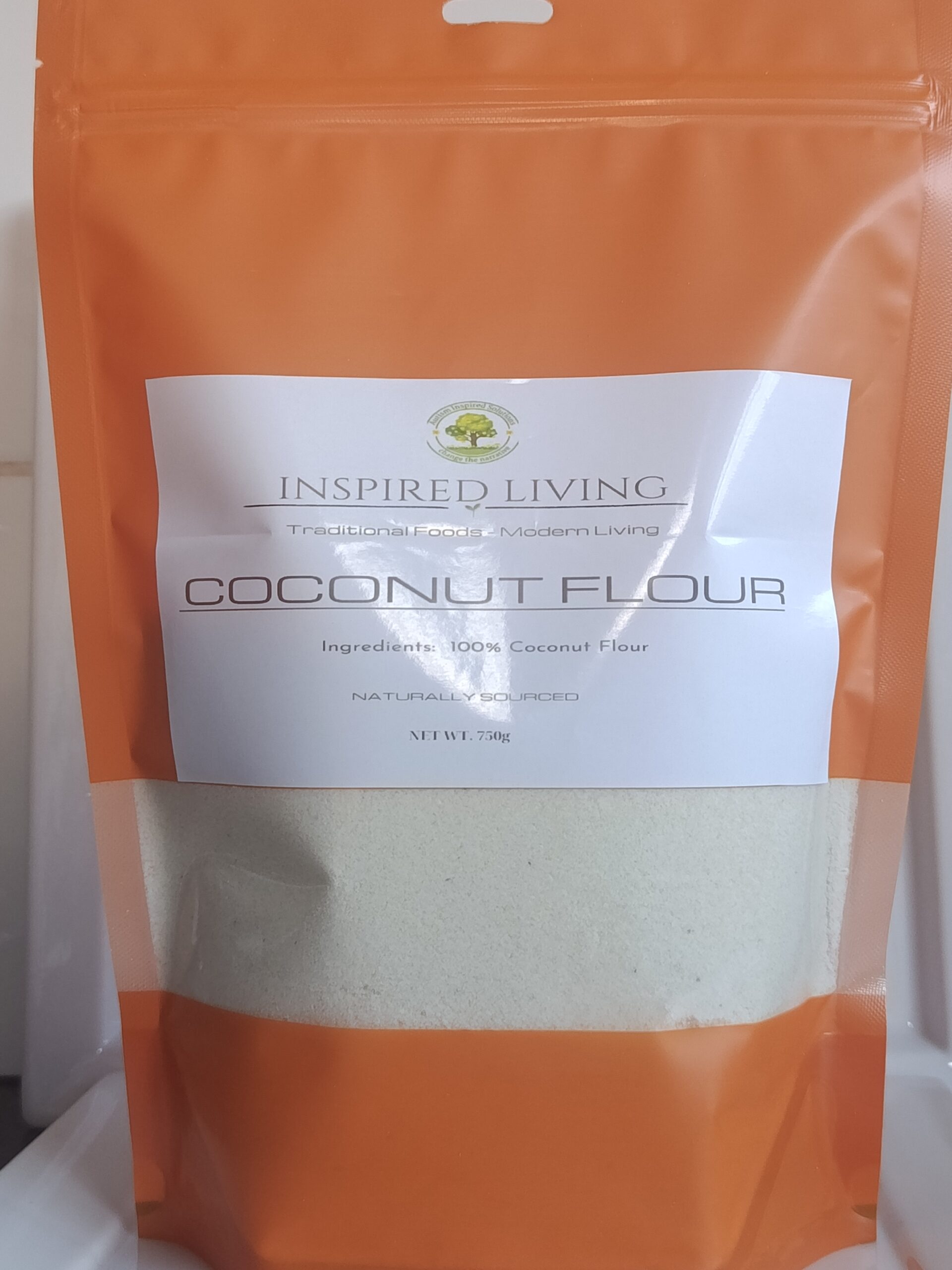
Coconut flour is a finely ground flour made from dried coconut. It has a naturally mild coconut flavour and is valued for its versatility in gluten-free and grain-free baking and cooking. Its distinctive texture and ability to absorb moisture make it a useful ingredient in a variety of recipes.
Coconut flour behaves differently from conventional wheat flour, so understanding how it absorbs liquid is the key to getting the best results.
Inspired Living Coconut Flour offers a delicious alternative to conventional wheat flour for those exploring gluten-free and grain-free baking and more varied ways of cooking.
Traditional Uses
Coconut has long been valued in food preparation across tropical regions. Coconut flour provides another way to incorporate coconut into everyday cooking and baking. Its uses include:
- Preparing baked goods and homemade treats.
- Thickening and enriching selected recipes.
- Adding a gentle coconut flavour to foods.
- Incorporating coconut into gluten-free cooking.
Health & Wellness Highlights
Coconut flour offers useful qualities for everyday cooking and a varied diet.
- Naturally occurring plant nutrients: Coconut flour is made from coconut and offers a naturally fibre-rich alternative to conventional flour. It brings a delicate coconut flavour to your favourite recipes and is a versatile addition to a wholesome kitchen.
- A Grain-Free, Gluten-Free Alternative: Made from coconut rather than wheat or other cereal grains, coconut flour is a wonderful option for people looking for grain-free and gluten-free baking alternatives. It can be used in a variety of grain-free recipes, including suitable recipes inspired by approaches such as GAPS, depending on the stage and dietary requirements being followed.
- Versatile Ingredient: Suitable for a variety of sweet and savoury creations.
- A Little Goes a Long Way: One of the lovely things about coconut flour is that you often need much less of it than conventional flour. As a general starting point, some recipes use around ¼ cup of coconut flour in place of 1 cup of wheat flour. The exact amount depends on the recipe, so choose a recipe developed for coconut flour for the best results.
Coconut flour is naturally rich in dietary fibre compared with many conventional refined flours. Fibre contributes to normal digestive function. Because coconut flour can provide a substantial amount of fibre, introduce it gradually if you are not accustomed to high-fibre foods.
How to Enjoy
Understanding Coconut Flour Made Simple
Coconut flour absorbs more liquid than ordinary wheat flour. This is easy to work with once you know three simple things:
- Use less flour: Coconut flour is highly absorbent, so a small amount can go a long way.
- Add enough moisture: Eggs, milk or suitable plant-based alternatives help create a moist, well-textured bake.
- Let it rest: After mixing, allow the batter to stand for at least five minutes before baking. This gives the flour time to absorb moisture and helps you assess whether a little extra liquid is needed.
- Coconut flour absorbs more liquid than many conventional flours, so recipes may need adjustments to their liquid and binding ingredients.
Practical Ways to Use Coconut Flour
- Pancakes: Use in recipes specifically developed for coconut flour.
- Muffins: Add to coconut-flour muffin recipes for a soft, satisfying bake.
- Biscuits: Experiment with recipes that balance coconut flour with enough moisture and binding ingredients.
- Homemade baking: Combine with other suitable gluten-free flours in recipes developed for the blend.
- Thickening: Small amounts can help thicken selected mixtures, although the texture may change as the flour absorbs moisture.
- Gluten-Free Recipes: Where appropriate, combine with other gluten-free flours for suitable baking blends.
Ingredients
100% coconut flour.
Storage
Store in a cool, dry place away from direct sunlight and moisture. Keep the package tightly sealed after use to preserve freshness and quality.
Recipe: Simple Coconut Flour Pancakes
These pancakes are a lovely introduction to coconut flour. They are lightly flavoured and designed around coconut flour’s absorbent nature.
Ingredients
– ¼ cup coconut flour
– 4 eggs
– ¼ cup milk or an unsweetened plant-based alternative
– 1 tablespoon melted coconut oil or another suitable cooking oil
– ½ teaspoon baking powder
– ½ teaspoon cinnamon, optional
– A little oil for cooking
Method
1. In a bowl, whisk the eggs, milk and melted oil together.
2. Add the coconut flour, baking powder and optional cinnamon.
3. Mix until combined and leave the batter to stand for approximately 2–3 minutes so the flour can absorb some of the liquid.
4. Check the consistency. If it is too thick to spoon easily, add a little more milk.
5. Lightly grease a non-stick pan and warm over low to medium-low heat.
6. Spoon small portions of batter into the pan. Smaller pancakes are easier to turn.
7. Cook until the underside is set and the edges begin to firm, then carefully turn and cook the other side until done.
8. Serve warm with fresh fruit, cinnamon or your preferred topping.
Serving suggestion: For a simple breakfast, enjoy with sliced banana or berries.
Inspired Living note: This recipe contains eggs and may contain coconut-derived ingredients that are unsuitable for people with relevant allergies. For a dairy-free version, use an appropriate unsweetened plant-based milk. Always check the labels of your ingredients.
Inspired Living Tip
Inspired Living Tip: Start with a simple coconut flour recipe, follow the measurements and allow the batter to rest before baking. Once you get to know how the flour behaves, you’ll find it easier to enjoy in your everyday cooking.
Important Information
Coconut flour is naturally gluten-free, but individuals with food allergies should check the product information before use. Store and handle it appropriately to maintain product quality.
Disclaimer
Inspired Living Wellness Collection products are intended to complement a balanced diet and healthy lifestyle. This information is provided for educational purposes and does not replace professional medical advice, diagnosis or treatment.
Reviews
There are no reviews yet.